
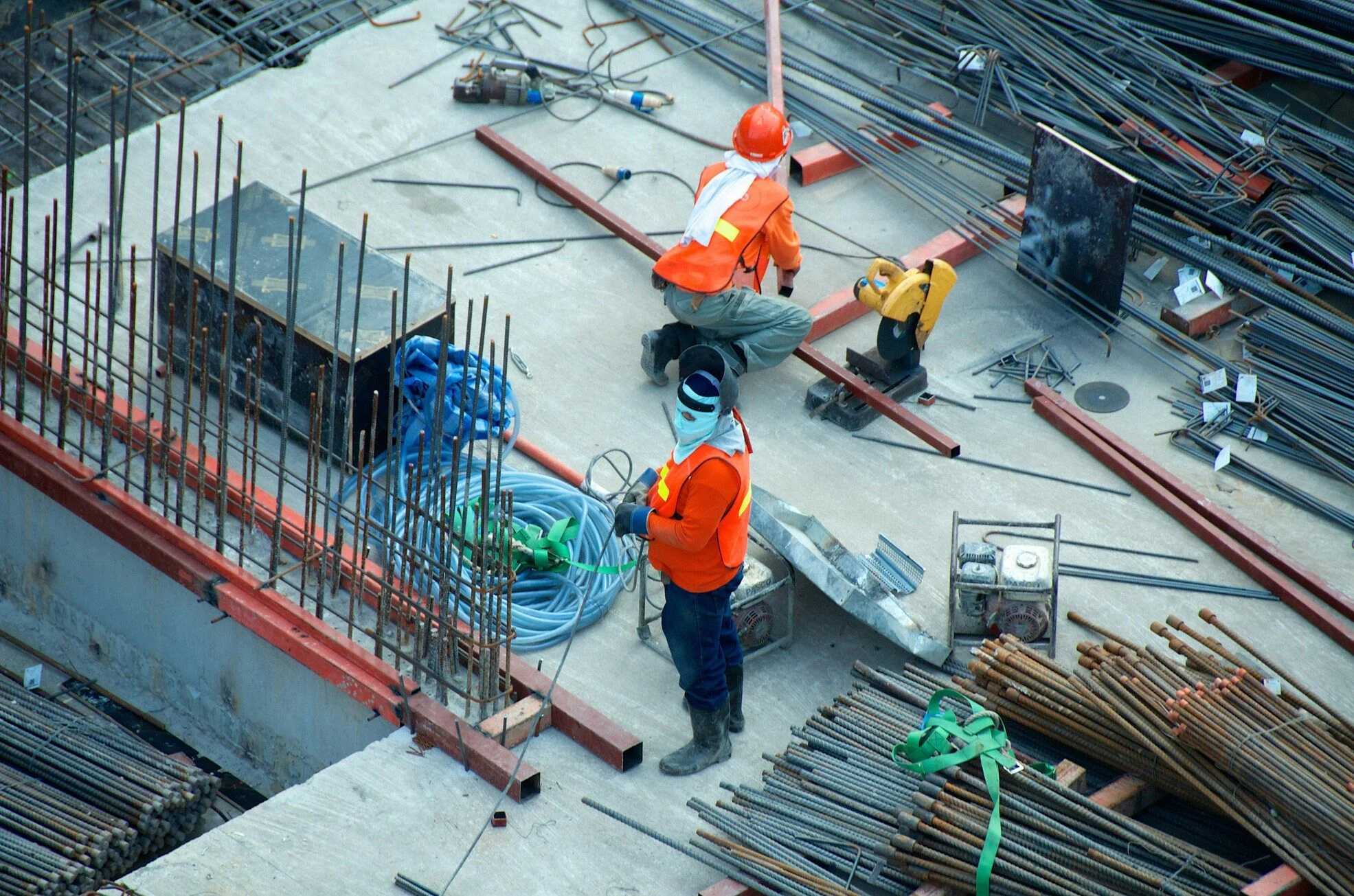

Contract works insurance pays to repair or rebuild the job itself: the partly built structure and the materials on site. Public liability pays when the work injures someone else or damages property that belongs to someone else, and only where you are legally liable. That is the core of contract works insurance vs public liability. A building contract that asks for both is asking for two different things, and one policy does not stand in for the other.
Two questions that sort most site claims
Most incidents on a building site can be placed with two questions. What was damaged, and who owns it? Was anyone hurt?
Damage to the works under construction belongs with contract works, including materials delivered to site and waiting to be installed. Most Australians call this construction insurance, and insurers also use names such as construction works or contractors all risks. Injury to a person outside your business, or damage to property owned by a neighbour or a passer by, belongs with public liability. business.gov.au describes public liability as cover for when someone dies, gets injured or has their property damaged because of your negligence. The word negligence matters. A liability policy responds where you are legally responsible, not simply because something went wrong near your site.
A burst pipe on a renovation: one event, two policies
Take an illustration, not a real claim. A fitting fails overnight on a renovation. Water runs through the new plasterboard and the freshly laid timber floor, then through the party wall into the house next door.
- The new plasterboard, flooring and anything else that forms part of the contract sits with contract works. That policy pays to strip out and redo the damaged work, less the excess.
- The neighbour’s damaged carpet, furniture and wall linings sit with public liability. The neighbour, or their home insurer, will claim against whoever caused the escape of water, and the liability insurer looks at who was legally responsible. If the plumber was a subcontractor, their own liability policy may be the one that answers.
- The failed fitting is the weak point. Policies commonly exclude the cost of fixing faulty workmanship or materials while still paying for the damage that followed. Read that exclusion in both wordings.
Notify both insurers, or your broker, as soon as an incident like this happens. Telling only one insurer leaves the other half of the loss unreported, and policies expect prompt notice.
Where each policy stops
| Incident | Policy that usually responds |
|---|---|
| Storm damages the frame and roof sheeting before lock up | Contract works |
| Timber and appliances stolen from site overnight | Contract works |
| A passer by trips on hoarding outside the site | Public liability |
| An excavator cracks the neighbour’s driveway | Public liability |
| Your own employee is injured on site | Neither: workers compensation, which in Victoria is WorkCover |
| Your tools and plant are stolen | Neither by default: a separate tools or plant section |
Public liability wordings commonly exclude damage to the work you are performing, and a contract works policy does not pay for anyone’s injury. Liability policies also exclude injury to your own workers, because that is a workers compensation matter. WorkSafe Victoria administers WorkCover, the scheme that deals with Victorian workers who are injured or killed at work.
Construction insurance packages and how to read the schedule
A lot of contract works insurance vs public liability confusion starts with the name on the policy. Many builders buy something labelled construction insurance and assume it holds everything. Some packages combine a material damage section for the works with a liability section. Others insure the works only. The schedule tells you which. Look for two separate entries: a sum insured for the contract works and a limit of indemnity for public liability.
The two numbers behave differently. The contract works sum insured should track the value of the job, including approved variations. The liability limit is the most the insurer pays for one occurrence, and the right figure depends on what the contract or the principal asks for. Building contracts commonly set a minimum liability limit and spell out which policies the builder must hold. Check that clause against the certificate of currency before you sign, not after the first incident.
Excesses differ too. A water damage claim on the works and a property damage claim from the neighbour can each carry their own excess, so one event may cost you two.
Owner builders and small renovations
An owner builder has no head contractor whose policies sit over the job. Consumer Affairs Victoria lists arranging insurance among an owner builder’s responsibilities. In practice that usually means contract works for the structure and public liability for the site, while each trade you engage brings its own liability cover for its own work.
Two other covers get mixed up with these. Domestic building insurance, which Consumer Affairs Victoria says protects you if the builder dies, disappears or becomes insolvent, does not pay for storm damage during the build. Your existing home policy may restrict cover once major building work starts, so speak to your home insurer before the job begins rather than after a loss.
What FRS does
We read the insurance clause in your contract first, then set the contract works sum insured and the liability limit to match it. Where one job needs both, we place them so the two sections meet without a gap, and we check that the certificate of currency shows what the principal asked for. When an incident touches both policies, we notify both insurers and keep the two claims moving together.
For the works side, see our contract works and construction insurance page. For limits and certificates on the liability side, see our public liability insurance page.
Frequently asked questions
Does public liability cover damage to the building I am working on?
Usually not. Public liability wordings commonly exclude damage to the work you are performing, so a fire that destroys a half built frame is a contract works claim. Public liability answers for injury to other people and damage to their property where you are legally liable. That is the dividing line in contract works insurance vs public liability.
Do subcontractors need contract works insurance as well as public liability?
Often not, when the head contractor or principal insures the whole job under one contract works policy. Subcontractors still need their own public liability for their own work, and the subcontract should say who insures the works. Ask the head contractor for the certificate of currency rather than assuming the job is covered.
Is construction insurance the same as contract works insurance?
In everyday use, mostly yes. Construction insurance is the term most Australians search for, while insurers call the works cover contract works, construction works or contractors all risks. Some construction policies include a public liability section and some do not. The schedule shows which sections you hold and the limit for each one.
Which policy pays if my own worker is injured on site?
Neither of them. Injury to your own employees is a workers compensation matter, which in Victoria means WorkCover, administered by WorkSafe Victoria. Public liability wordings commonly exclude it, and contract works never covered injury in the first place. Check whether any contractor you engage could be treated as your worker under the scheme.
Questions about your own cover? Call 03 7046 3766 on weekdays between 9:30am and 6pm, or send us an enquiry.