
Personal Insurance
Business Insurance
- Business Insurance
- Industrial Special Risk (ISR) Insurance
- Commercial Property Owner Insurance
- Business Interruption Insurance
- Public Liability Insurance
- Professional Indemnity Insurance
- Management Liability Insurance
- Contract Works/Construction Insurance
- Marine Insurance
- Cyber Insurance
- Commercial Motor Insurance
- Faith & Not-for-Profit Organisations Insurance
Industry Insurance
Personal Insurance
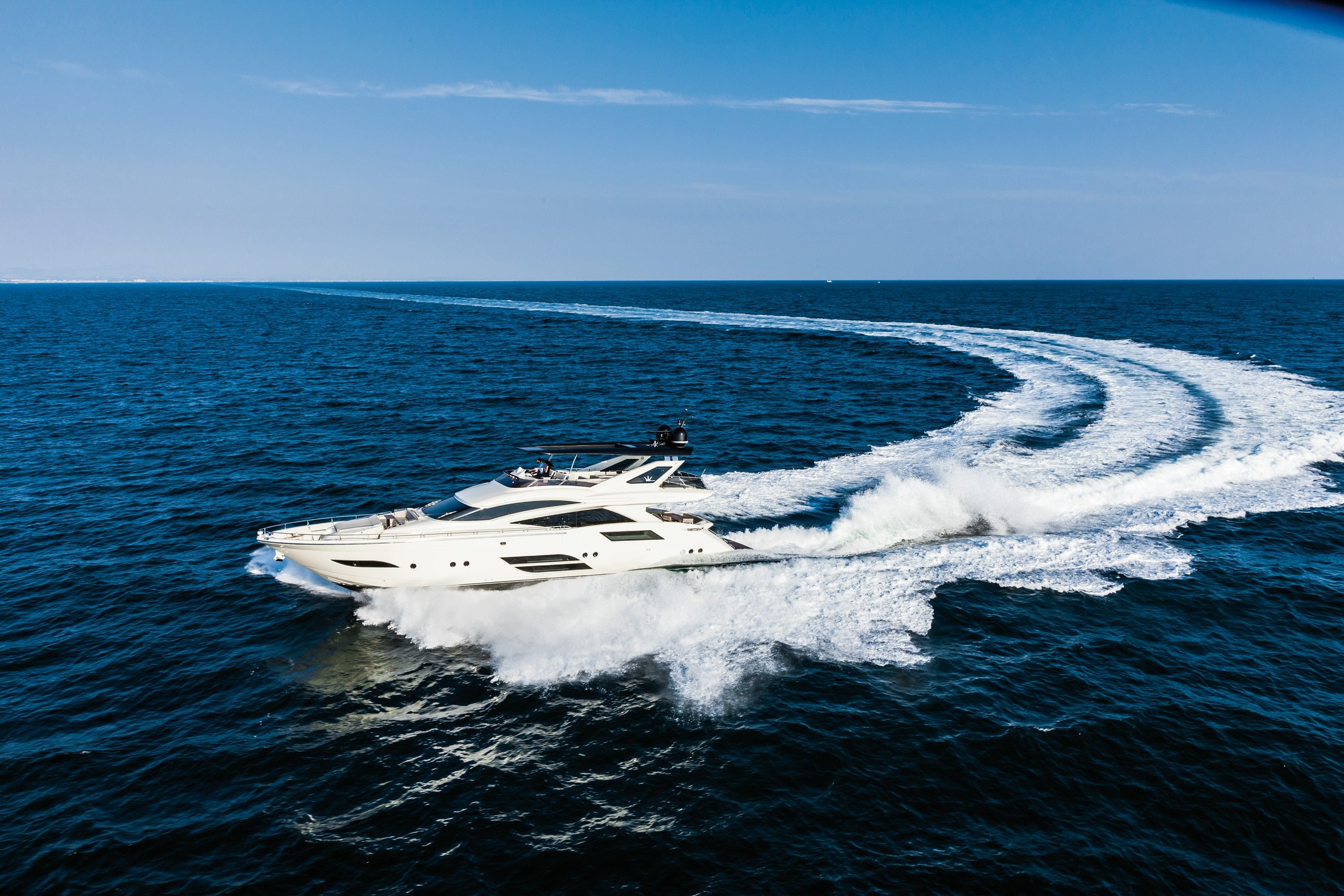
Personal Pleasure Craft Insurance
Pleasure craft insurance for yachts, motorboats and jet skis, covering damage to the vessel and your third-party liability on the water.
What Pleasure Craft Insurance Covers
Pleasure craft insurance covers accidental damage, theft, fire and third-party liability for privately owned recreational vessels such as yachts, motorboats and jet skis.
The policy pays for damage to the hull, the motor and the equipment on board. It also covers your legal liability if the vessel injures someone or damages another boat or property.
Whether you own a yacht, motorboat, jet ski or sailboat for personal use, pleasure craft insurance is fundamental protection for recreational vessel owners in Australia. Owners who also fly usually arrange aircraft insurance through the same broker. It sits within our personal insurance range at Fortis Risk Solutions.
Pleasure Craft Insurance: Cover Sections and Benefits
What Personal Pleasure Craft Insurance does not cover
Pleasure craft insurance covers sudden loss or damage to the vessel and the liability that comes with using it. It does not cover the slow decline of a boat that sits in the water. Common exclusions are:
- Wear and tear, osmosis, corrosion, electrolysis and rot in the hull or fittings
- Gradual water entry, including a slow leak that finally sinks the boat at its mooring
- Mechanical or electrical breakdown that is not caused by an insured event
- Use for hire, charter or racing unless the policy says otherwise
- Loss outside the agreed cruising area, or while the boat is left unattended beyond the permitted time
- Damage caused by an unlicensed operator or one under the influence of alcohol
- Personal effects, fishing gear and tenders unless they are listed on the schedule
FRS checks the cruising limits, the mooring arrangement and who is allowed at the helm against how you really use the boat, so the policy matches the season ahead.
How Personal Pleasure Craft Insurance premiums are set
Insurers rate pleasure craft insurance on the vessel and on the person at the helm. Two identical boats price very differently once the storage and the operator are known. The main factors:
- The agreed value of the hull, engines, trailer and listed equipment
- Vessel type, length, hull material and maximum speed
- Age of the boat and the condition noted in any recent survey
- Where it is kept: hardstand, marina berth, swing mooring, or on a trailer at home
- The cruising area, including offshore limits and interstate trips
- The operator’s boat licence, years of experience and claims record
- The excess chosen and the third party liability limit taken
A current survey often improves the terms offered on an older hull. FRS advises when one is worth doing and puts it in front of the underwriter with the proposal rather than after a decline.
How to claim on Personal Pleasure Craft Insurance
Salvage decisions cannot wait, so a pleasure craft insurance claim starts with a phone call rather than a form. Insurers will authorise emergency work, and they expect to be asked first. The FRS process:
- Contact FRS immediately, and the marine assistance service if the vessel is sinking, aground or adrift
- Take reasonable steps to prevent further loss, but do not sign a salvage agreement without approval
- Photograph the damage and record the weather, the location and who was on board
- Report theft or malicious damage to police, and notify the state maritime authority where the rules require it
- Do not admit liability to another owner or to a marina operator
- FRS lodges the claim, arranges the surveyor and manages the repair or total loss settlement
Start the notification on our make a claim page.
Personal Pleasure Craft Insurance compared with Marine Cargo Insurance
| Question | Pleasure Craft | Marine Cargo |
|---|---|---|
| What it covers | The boat, its equipment and your liability while using it | Goods while they are in transit by sea, air or road |
| Who buys it | Private owners of runabouts, yachts and cruisers | Importers, exporters and businesses moving stock |
| Typical trigger | Collision, grounding, storm damage, theft or sinking | Loss or damage to a consignment before it arrives |
| Sits with | Home and contents cover for gear kept at the house | Business pack and stock cover |
The word marine sits on both, which causes confusion. If the asset is your own boat used for recreation, it is a hull policy. If the asset is goods being shipped, it belongs under marine insurance and rates on the commodity and the route.
Pleasure Craft Insurance FAQs
No. Boat insurance is not compulsory for every pleasure craft, but marinas, clubs and waterways authorities often require third-party liability cover.
No. Racing, charter and commercial use are excluded unless the insurer specifically endorses them. Businesses shipping goods need marine cargo insurance instead.
Marine policies differ widely in navigation limits, exclusions and claims handling. As your broker, FRS helps you:
- Set agreed values and navigation areas that match how you use the vessel
- Check that machinery and liability limits are adequate
- Compare specialist marine insurers
- Manage claims and recovery after an incident
Clients who keep a boat and a performance car often hold this policy alongside prestige motor insurance.