
Personal Insurance
Business Insurance
- Business Insurance
- Industrial Special Risks (ISR) Insurance
- Commercial Property Owner Insurance
- Business Interruption Insurance
- Public Liability Insurance
- Professional Indemnity Insurance
- Management Liability Insurance
- Contract Works/Construction Insurance
- Marine Insurance
- Cyber Insurance
- Commercial Motor Insurance
- Faith & Not-for-Profit Organisations Insurance
Industry
- Retail and Consumer Insurance
- › Retail Strip Shop Insurance
- › Asian Grocery Store and Supermarket Insurance
- Hospitality and Tourism Insurance
- › Restaurant Insurance
- › Cafe and Bakery Insurance
- › Hotel and Hospitality Property Insurance
- › Takeaway Shop Insurance
- › Pub and Bar Insurance
- › Short Term Rental Insurance
- Commercial and Industrial Property Insurance
- › Warehouse Property Insurance
- › Service Station and Convenience Store Insurance
- › Loss of Rent Insurance
- › Shopping Centre Insurance
- › Rooming House Insurance
- Construction and Trades Insurance
- › Architect and Design Insurance
- › Plumber and Electrician Insurance
- Property and Real Estate Insurance
- › Property and Real Estate Agency Insurance
- Manufacturing and Industrial
- › Food Manufacturing Insurance
- Trade and Logistics Insurance
- Professional Services Insurance
- › Financial Services Insurance
- Health and Care Services Insurance
- › NDIS Provider Insurance
- › Aged Care Insurance
- › Psychologist Insurance
- › Physio Insurance
- Events and Entertainment Insurance
- › Personal Trainer and Gym Insurance
- Transport and Automotive Insurance
- › Rideshare Insurance
- › Truck Insurance
- Community, Education and Public Sector Insurance
- › Childcare Centre and Kindergarten Insurance
- High Value and Complex Business Insurance
- › Renewable Energy Insurance
- › Farm Insurance
Business Insurance
Warehouse Property Insurance
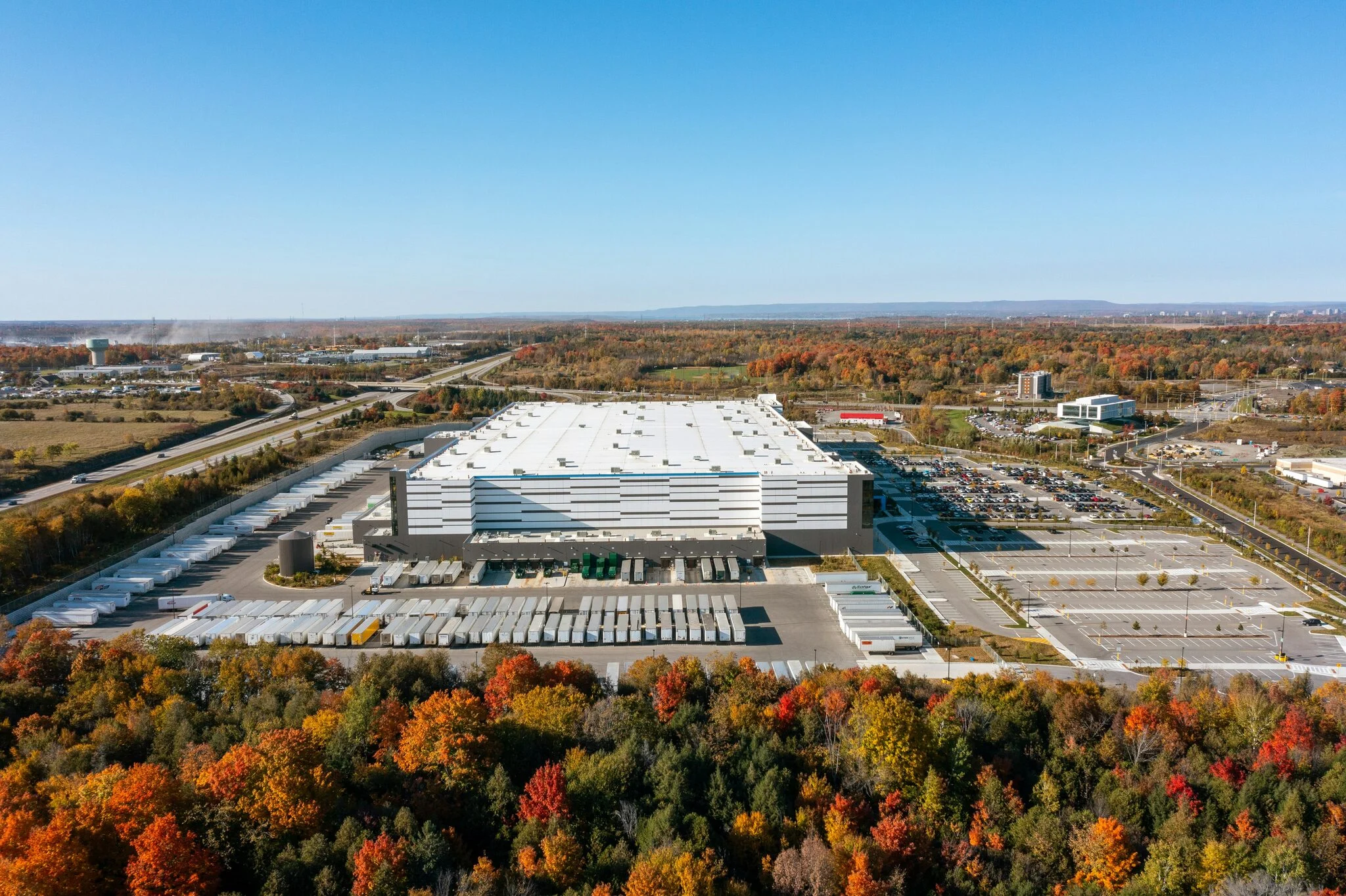
Warehouse insurance for Melbourne industrial sites: building and racking, stock, customers' goods, forklift damage, theft and the income lost after a fire.
Warehouse insurance works differently for a business storing its own stock than for an operator holding pallets that belong to clients, and the difference shows up when a claim is made. Storage agreements set out who carries the loss for goods in your care, so we read them before choosing a wording. Fortis Risk Solutions compares how insurers handle stock declarations, seasonal peaks, forklift damage and goods in custody, and checks that sprinkler and alarm conditions match what is installed. If fire, theft or a racking collapse hits the site, we help prepare the stock figures and lodge the claim. Have your lease and client storage agreements ready. Call 03 7046 3766 or send an enquiry.
What Warehouse Insurance Covers
Warehouse insurance covers the building, the racking and fit-out, the stock inside and the liability that comes with storing and moving goods, for owners and tenants of warehouses and industrial units. Industrial estates from Dandenong, Laverton and Truganina to their interstate equivalents run on full racking and tight margins, so the policy is built from sections chosen to match what actually sits on the floor.
The losses here are rarely small. A racking run gives way and takes three bays of stock down with it. A forklift tyne goes through a wall, a roller door or a sprinkler head. Fire in stacked cartons and shrink-wrapped pallets moves fast, and smoke often damages more stock than the flames reach.
Most industrial leases require the tenant to hold public liability insurance and to keep a current certificate on file. Insurers set their own conditions too: working sprinklers, monitored alarms, and clear space between the top of the stack and the sprinkler heads. Add business interruption insurance and rent, wages and freight commitments keep being paid while the site is repaired.
Fortis Risk Solutions arranges warehouse insurance for sites across Australia as part of our business insurance range, from offices in Box Hill and Hawthorn. We look at the construction, the racking height, the fire protection and the value of goods you hold for other people before we approach insurers, so the sums insured still hold up on the day of a claim. This package is part of our commercial and industrial property insurance group.
Warehouse Insurance: Cover Sections and Benefits
What Warehouse Property Insurance does not cover
Warehouse cover answers sudden damage to the building and the goods inside it. It does not stand behind poor stacking, unsuitable storage, or other people’s goods unless those goods were declared. Typical warehouse insurance exclusions include:
- Wear and tear, rust, corrosion and gradual water ingress through a roof that was already leaking
- Goods held for customers, unless they are declared and insured under the policy
- Forklift damage to racking and stock where no plant or liability extension applies
- Faulty racking installation, and collapse caused by overloading a bay
- Theft with no forced entry, and stock shortage discovered at stocktake
- Injury to employees and labour hire workers, which generally falls under workers compensation
- Goods in transit once they leave the site, which belongs with a marine cargo policy
FRS matches the exclusions to what is stored, who owns it and how it moves, so third party goods and hired plant are not left sitting uninsured.
How Warehouse Property Insurance premiums are set
Warehouse rating is driven by construction, fire protection and what sits on the racking. A sprinklered concrete building is priced nothing like an older shed. Warehouse insurance premiums are set on:
- Building construction, roof and wall cladding, and the age of the switchboard and wiring
- Fire protection systems such as sprinklers, hydrants, hose reels and alarms, and how regularly they are maintained and inspected
- Declared values for the building, stock, racking and materials handling plant
- What is stored, including flammable liquids, aerosols, lithium batteries and packaging
- Stack height, because goods stacked close to the sprinkler heads stop the sprinklers working as designed, along with aisle width and the separation between storage and the loading dock
- Location, and the flood and storm exposure that comes with it
- Site security, such as fencing, lighting, cameras and alarm monitoring
- Claims history, and the excess accepted on damage and on theft
FRS prepares a risk summary with photographs and an up-to-date values schedule, giving underwriters a clear picture of the property and the information they need to assess the risk accurately.
How to claim on Warehouse Property Insurance
A warehouse loss usually stops the whole operation, so the first few hours decide the outcome. The FRS process for a warehouse insurance claim:
- Notify: Call FRS as soon as the loss is found, and tell us if goods belonging to customers are affected
- Make safe: Make the site safe, isolate damaged racking and stop work in the affected area
- Photograph and preserve: Photograph the scene and keep damaged goods and plant until the assessor has seen them
- Report: Report theft or malicious damage to police and note the report number
- Do not admit liability: Do not admit liability to a customer whose goods were damaged, and send any demand to FRS
- We lodge and manage: FRS lodges the claim, agrees the assessor with the insurer, and manages salvage, reinstatement and any interruption payment
The checklist and contact details are on our make a claim page.
Warehouse Property Insurance compared with ISR Insurance
| Question | Warehouse Property Insurance | ISR Insurance |
|---|---|---|
| What it covers | A named list of insured events on the building, stock and plant at one site | Damage from any cause not excluded, across every declared location |
| Who buys it | Single site operators and smaller distribution businesses | Larger operations with high declared values or multiple sites |
| Typical trigger | Fire, storm, burst pipe, break in | The same events, plus accidental damage a named perils wording would miss |
| Sits with | Public liability and business interruption inside a business pack | Business interruption written into the same schedule |
The step up is a matter of wording as much as size. Once values grow or goods sit across several sites, an industrial special risks policy is broader and easier to claim under than a packaged property section.
Terms used on this page
Short definitions of the insurance terms used above.
- Bailee cover: an extension that insures goods you hold for other people, which your own stock section and most liability wordings leave out.
- Named perils: a policy that only pays for the causes it lists, such as fire, storm and theft. An ISR policy works the other way around and pays for any cause not excluded.
- ISR: industrial special risks insurance, the broader property wording larger sites move to once declared values grow or goods sit across several locations.
- Indemnity period: the maximum number of months the business interruption section keeps paying after an insured event.
- Goods in transit: cover for stock once it leaves the site, arranged under a marine or transit policy rather than the property section.
Warehouse Property Insurance - Client Case Studies
Cases from the Fortis Risk Solutions broking team. Client names have been removed.
Client case: Success Story: Break-in Causes Building Damage
The client situation: Thieves broke into a warehouse property in Queensland owned by our client overnight, forcing open the motorised sliding gate at the front of the property and damaging the roller door, locks, security fixtures and sections of the main warehouse building. The thieves stole a whole van of white goods belonging to the tenant who leased the warehouse.
How we handled the case: We helped our client, as the warehouse property owner, lodge a claim through their Commercial Property Owner (CPO) Insurance for the insured damage to the building and landlord-owned fixtures caused during the break-in. The insurance covered the cost of repairing the sliding gate and motor at the front of the warehouse, as well as the roller door, at a total cost of $24,598.
The tenant also reported that stock had been stolen from inside the warehouse. The tenant would generally need its own insurance for stolen tenant-owned stock and contents. If covered building damage made the warehouse temporarily unusable and resulted in lost rent, applicable Loss of Rent cover could also respond.Worth knowing: It is important for a commercial property owner and a tenant to understand that the landlord’s insurance and the tenant’s insurance for the same warehouse do not overlap. The commercial property owner policy covers the building, fixtures and landlord liability, while the tenant’s policy typically covers the tenant’s business stock and operational liability.
How Fortis Risk Solutions helps: We explain to owners and tenants where one policy ends and the other begins, before a loss shows up the gap.
Every policy is different and the outcome of a claim depends on its terms. As your broker, Fortis Risk Solutions compares insurers and policy wording before you buy, and lodges and manages the claim for you when something happens. Talk to us about your own cover.
Warehouse Insurance FAQs
Warehouse insurance covers the property side and the liability side of a storage site. Property means the building if you own it, the fit-out and racking if you lease it, plus stock, machinery and office equipment. Liability covers injury to visitors and damage you cause to other people's property. Tenants usually buy both inside one business insurance package, then add theft, transit and interruption sections.
Not automatically. Goods held for other people sit outside your own stock section, and liability policies commonly exclude property in your care, custody and control. Third-party goods need a bailee extension with a limit set on the highest value you hold at any one time. Tell us the peak, not the average, because the building is fullest exactly when a fire hurts most.
Larger sites move to ISR insurance once declared values pass what a packaged policy will carry. An ISR wording is broader and negotiable: perils, excesses, escalation and the interruption basis are set for that site rather than taken off a standard form. High stock values, multiple buildings and complex fire protection are the usual reasons to make the move.
Only if a transit section is in place. Property cover stops at the boundary of the premises, so pallets on a truck between your site and a customer need marine insurance, which despite the name covers goods in transit by road, rail, sea and air. Carriers limit their own liability under their conditions of carriage, so leaning on the freight company leaves a real gap.
Yes. Trucks and utes that travel on public roads need commercial motor insurance, because the property policy does not respond to a registered vehicle on the road. Forklifts and reach trucks that stay on site belong in a plant or mobile machinery section, which can also pick up damage the machine causes to racking, doors and walls. Confirm which machines leave the gate.
Warehouse wordings turn on detail that is easy to get wrong: sprinkler and alarm conditions, stock declarations, bailee limits and the indemnity period. FRS helps you disclose construction, storage and security accurately, structure limits for peak stock, compare insurers who understand industrial risk and act as your advocate at claim time. We also read the lease, so the landlord's policy and yours do not leave a gap between them.
The answer turns on whose goods are inside. If you store stock for customers, your own stock cover may not reach it, so look for cover for goods held as a bailee. Racking collapse and forklift impact are frequent warehouse losses; check whether the wording treats them as accidental damage. Once values climb, an industrial special risks policy can suit better than a business pack. We can compare both routes across insurers once we know your values.
Related pages
Related industry pages: Loss of Rent Insurance, Service Station and Convenience Store Insurance
Talk to a broker about Warehouse Property Insurance
Call 03 7046 3766 on weekdays between 9:30am and 6pm, email admin@fortisrisksolutions.com.au, or send an enquiry and a broker from our Box Hill or Hawthorn office will come back to you about warehouse property insurance. Tell us what the business does and what the lease or contract asks for, and we take it from there.