
Personal Insurance
Business Insurance
- Business Insurance
- Industrial Special Risk (ISR) Insurance
- Commercial Property Owner Insurance
- Business Interruption Insurance
- Public Liability Insurance
- Professional Indemnity Insurance
- Management Liability Insurance
- Contract Works/Construction Insurance
- Marine Insurance
- Cyber Insurance
- Commercial Motor Insurance
- Faith & Not-for-Profit Organisations Insurance
Industry Insurance
Personal Insurance
Aircraft Insurance
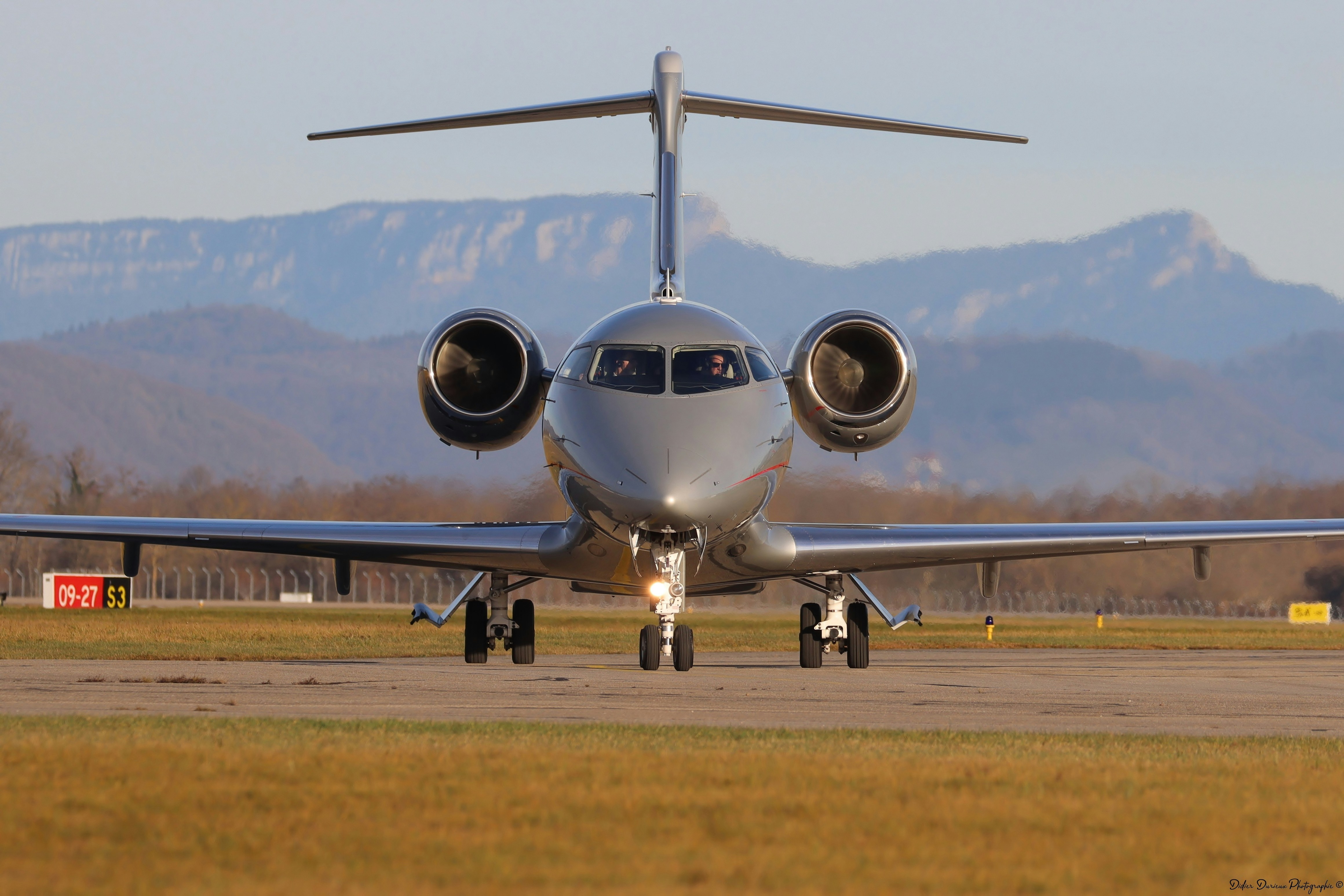
Aircraft insurance for hull damage, passenger liability and third-party liability, arranged for private owners and commercial operators.
What Aircraft Insurance Covers
Aircraft insurance covers damage to the aircraft, third-party and passenger liability, and the legal costs that follow an incident, for private owners and commercial operators.
Hull cover pays for damage to the aircraft itself, in flight and on the ground. Liability sections respond when an accident injures passengers or third parties, or damages property, and they fund the legal defence that follows.
Whether you fly a privately owned aircraft, business jet, helicopter or training aircraft, aircraft insurance is fundamental protection for aviation operations in Australia. Owners who also keep a boat can arrange pleasure craft insurance through the same broker. It sits within our personal insurance range at Fortis Risk Solutions.
Aircraft Insurance: Cover Sections and Benefits
What Aircraft Insurance does not cover
Aircraft insurance covers hull damage and legal liability arising out of operating the aircraft. It assumes the aircraft is airworthy and flown within the limits written into the schedule. The usual exclusions are:
- Wear and tear, mechanical breakdown and progressive engine deterioration
- Operation while the maintenance release has expired or a required inspection is overdue
- Flight by a pilot who does not meet the minimum hours, ratings or currency stated in the policy
- Use outside the declared purpose, such as charter or training on a private use policy
- Loss while the aircraft is outside the agreed geographical limits
- War, hijack and confiscation unless the extension is bought
- Illegal flight, including the carriage of prohibited goods
FRS matches the pilot warranty and the purpose of use to the flying you actually do, so an instructor, a syndicate partner or a private hire arrangement does not sit outside the policy without anyone noticing.
How Aircraft Insurance premiums are set
Underwriters price aircraft insurance on the machine and on the person flying it, and the pilot record carries real weight. The market is small, so how the risk is presented changes the answer. The factors:
- The agreed hull value and the liability limit chosen
- Aircraft type, age, engine configuration and avionics fit
- Purpose of use: private, business, flying training, aerial work or charter
- Pilot hours in total and on type, plus ratings, currency and age
- Where the aircraft is hangared and how secure that site is
- Claims and incident history for the operator and for the type
- Geographical limits and any operations into unsealed or remote strips
A syndicate with mixed experience is usually priced to its least experienced pilot. FRS sets out each pilot’s record properly so the underwriter is not left guessing and rating for the worst case.
How to claim on Aircraft Insurance
An aircraft insurance claim runs alongside a safety investigation, so the two have to be kept straight. Report the occurrence to the authorities as the regulations require, and tell us at the same time. The FRS process:
- Notify FRS as soon as the aircraft is damaged or an incident occurs, before any repair is authorised
- Secure the aircraft and preserve the site, the logbooks, the maintenance records and any recorded data
- Report theft or malicious damage to police, and make the reports the regulator requires
- Do not admit liability to a third party, an aerodrome operator or another owner
- FRS lodges the claim, appoints the loss adjuster and coordinates the approved maintenance organisation
- Settlement is agreed and the pilot warranty is reviewed before the next renewal
Start the notification on our make a claim page.
Aircraft Insurance FAQs
Not in every case. Hull insurance is not always mandatory, but third-party liability insurance is generally required under aviation regulations and under airport or airfield operating conditions.
Yes. A policy can cover named pilots, or any pilot who meets agreed criteria for experience and licence held.
It depends on the policy terms, and the activity must be disclosed to the insurer. This matters most for flight training and hire-and-reward work.
Yes. Hull cover can include ground risks such as hangaring, towing and maintenance movements.
Aviation insurance is highly specialised, and wording, pilot requirements and liability limits vary widely between insurers. As your broker, FRS helps you:
- Structure hull and liability limits that match the aircraft and its use
- Disclose pilot qualifications and usage correctly
- Access specialist aviation insurers
- Negotiate terms for high-value or specialised aircraft
- Manage complex claims and dealings with regulators
Aircraft owners rarely insure only the aircraft, so we also arrange prestige motor insurance for the cars in the garage. FRS also arranges cover for other high-value assets, including prestige home insurance for the family home.