
Long enough to get trading back to where you were before the loss, not merely long enough to rebuild. The business interruption indemnity period starts at the date of damage and runs while the loss of income continues, so it has to absorb the insurance assessment, approvals, rebuilding, refitting, restocking, rehiring and the slow return of customers. Twelve months is the market default and it is often too short. Eighteen or twenty four months suits most businesses tied to a specific site.
What the indemnity period measures
The indemnity period is the maximum length of time the insurer will pay for the financial effect of the damage. It begins when the damage happens, not when the rebuild starts and not when you lodge the claim. Everything that delays the recovery eats into it: waiting on an assessor, waiting on a council permit, waiting on a builder, waiting on equipment with a long lead time from overseas.
The second half is the part owners underestimate. Reopening is not recovering. A cafe that closes for nine months does not return to its old turnover the week the doors open again, because the regulars have found somewhere else. The policy is designed to keep paying while that gap closes, but only if the period you selected is long enough to reach that point.
Why twelve months usually falls short
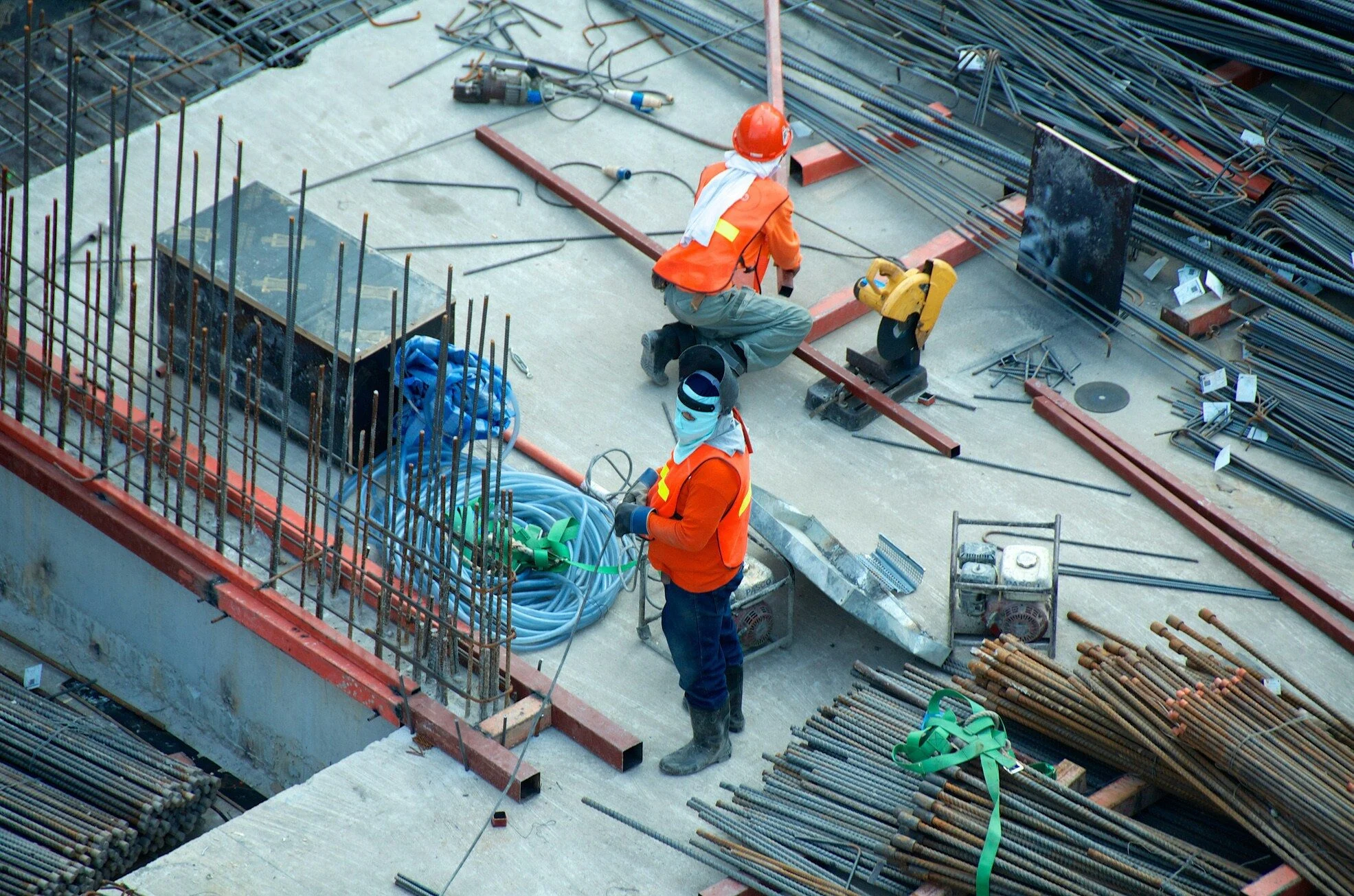
Work backwards through a total fire loss at your premises and count the months honestly:
- Site made safe, cause investigated, claim assessed and scope agreed.
- Demolition, then planning and building approvals where the rebuild is more than a repair.
- Builder appointed and construction completed, in a market where trades and materials are not always available on demand.
- Fit out, plant installation, commissioning and re certification for food, medical or manufacturing sites.
- Restocking, rehiring and retraining, then the months it takes for turnover to climb back.
Add those up for a purpose built site and twelve months disappears before the fit out starts. When the twelve month period ends, payments stop, whether or not the business has recovered.
Partial losses follow the same logic on a smaller scale. A kitchen fire that closes a venue for six weeks still costs turnover for months afterwards, and the fixed costs keep running the whole time. Rent, insurance, finance repayments and the wages of the staff you want to keep do not pause because the doors are shut.
How to set the length
Estimate the worst realistic loss at your worst location, not the average one. Ask the builder or the agent how long a rebuild takes for that construction type in that council area. Ask your equipment supplier for current lead times, particularly for imported plant, refrigeration or specialised machinery. Then ask yourself how long you would need to win back the customers who went elsewhere. Add the three together and round up.
Two questions sharpen the estimate. Could you trade from a temporary site, and would customers follow you there? A professional services firm can be working from a serviced office within a fortnight. A manufacturer with fixed plant, a licensed venue tied to a permit, or a childcare centre bound to an approved premises cannot.
Businesses that usually need more than twelve months include manufacturers with custom plant, food and hospitality venues with heavy fit outs, heritage listed buildings, tenancies inside a larger centre that has to be rebuilt first, and any operation with a single site and no easy relocation. If your customers can be served from another location within weeks, a shorter period may be defensible.
The period is not the sum insured
Two separate numbers do the work, and getting one right does not fix the other. The sum insured is the amount of gross profit or insurable income you declare, and it must be scaled to match the period you selected. A twenty four month period against a sum insured calculated on twelve months of trading gives you time you cannot use.
Declare the figures on the basis the wording asks for, and account for growth. Insurable income is normally estimated for the coming period, so a business that is expanding should be declaring the year ahead rather than the year behind. Underinsurance provisions apply to the business interruption section as well as the property section, which is where the correction happens after a loss.
Where ISR policies differ
Larger businesses commonly buy an industrial special risks policy rather than a packaged business pack. The concept is the same, but the wordings are more flexible: the period can be set at any length the insurer accepts, extensions can be added for damage at a supplier or customer premises, denial of access, utility failure and infectious disease where offered, and the declaration basis is often more detailed. Those extensions have their own separate limits and time periods, so read them alongside the main indemnity period rather than assuming they follow it.
What FRS does
We work through the recovery timeline with you, site by site, and set the period against what a rebuild and a trading recovery would actually take. We then check that the declared income figures match that period and the way the wording defines them, and we review both at every renewal rather than rolling the same numbers forward.
To review your own settings, see our business interruption insurance page, or send us your current schedule and we will work through the timeline with you.
Frequently asked questions
When does the indemnity period start?
At the date of the damage, in most Australian wordings, not the date the rebuild begins or the date you lodge the claim. That is why delays in assessment, approvals and builder availability all consume it. Check your own wording, since a few policies define the trigger differently and the difference can be several months.
Can I extend the period after a loss?
No. The business interruption indemnity period is fixed by the policy schedule at the time of the damage, and it cannot be extended once a claim has happened. That is why the number is worth revisiting at every renewal, particularly after a fit out, a site move, or any change that would lengthen a rebuild.
Does a longer period cost much more?
It increases the premium because the sum insured has to be scaled to match, but the increase is generally less than proportional since the later months carry lower expected losses. Ask your broker to quote twelve, eighteen and twenty four months together so the decision is made against real figures.
What if the business recovers early?
Payment stops when the loss stops. The indemnity period is a maximum, not an entitlement, so choosing twenty four months does not mean the insurer pays for twenty four months. That is the reason a longer period is a low cost hedge against the slow recovery rather than a way of increasing a claim.
Questions about your own cover? Call 03 7046 3766 on weekdays between 9:30am and 6pm, or send us an enquiry.