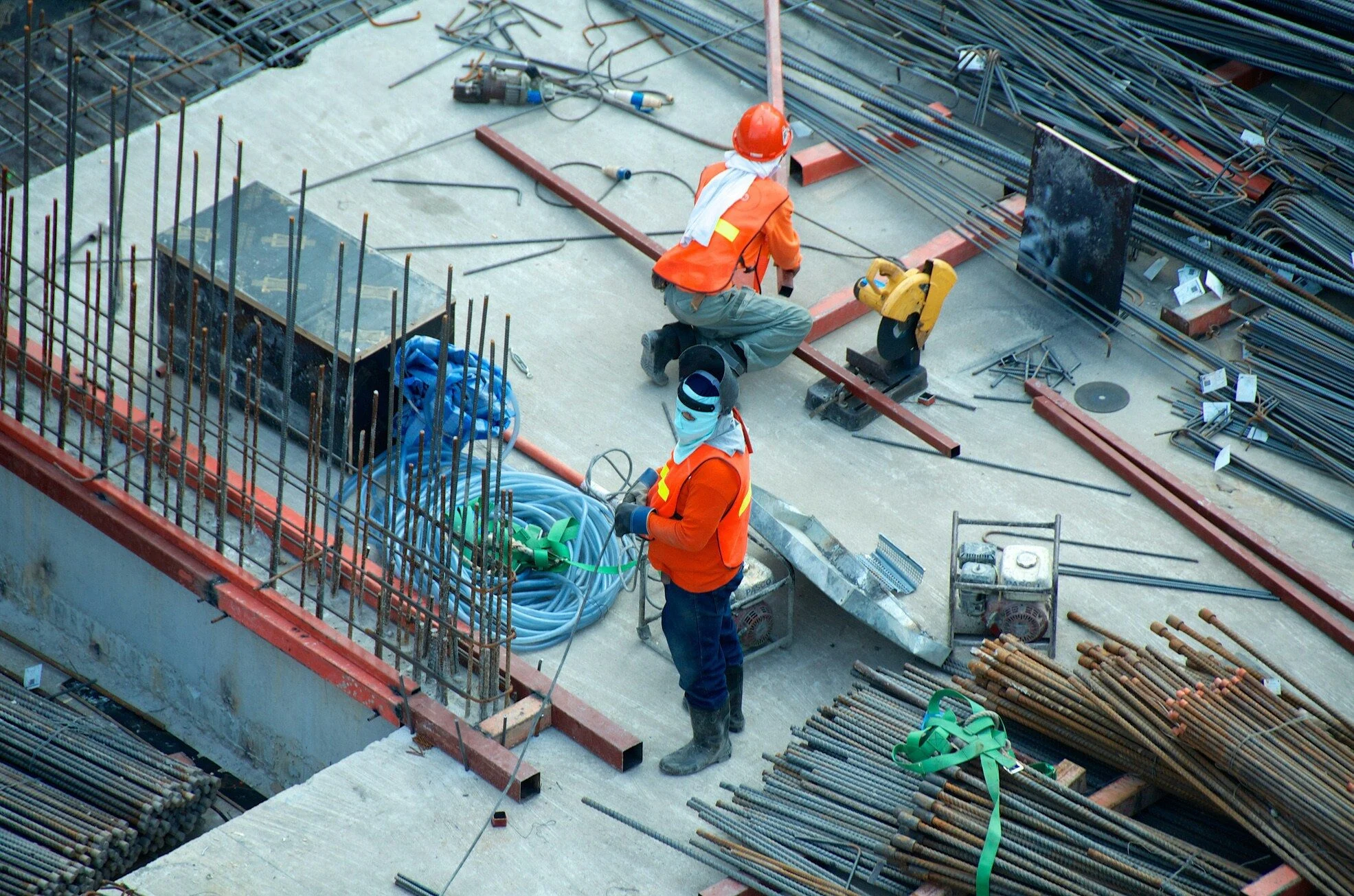


In most Australian building jobs the builder arranges contract works insurance, because the builder controls the site and wears the cost of rebuilding damage until handover. Owners take it on for owner builder projects, principal arranged programs, and some renovations to an occupied building. The contract decides it, not custom. Read the insurance clause before work starts, ask for a certificate of currency, and confirm the sum insured matches the full contract value.
What contract works insurance actually covers
Contract works, also called construction works or builders risk, insures the physical job while it is being built. The partly finished structure, materials stored on site and materials in transit all sit under it. Fire, storm, impact, malicious damage and theft are the usual causes of loss it responds to. Most policies also pay to clear debris after a loss and to redraw plans that were destroyed with the works.
It is property insurance on an unfinished asset. It does not answer for injury to a member of the public, and it stops at practical completion, when the owner’s own property policy takes over. On a home extension that means the builder’s policy and the existing home and contents policy have to meet cleanly at handover, with no gap in between. business.gov.au treats these as separate types of business insurance for that reason.
Who arranges contract works insurance under a standard contract
The builder does, on most jobs. Standard residential and commercial building contracts oblige the builder to insure the works for full contract value, hold the policy until handover, and produce evidence of it when the owner asks. Consumer Affairs Victoria’s guidance on building contracts makes the same point from the owner’s side: the contract sets out who insures what, and owners should ask for a certificate of currency before paying a deposit.
The obligation follows the risk. Until the works are handed over, the builder carries the cost of reinstating anything that burns, floods or gets stolen. The policy is how the builder funds that obligation. Where a contract is silent, the builder is still usually the party with an insurable interest in the works, which is another reason the cover lands there by default.
When the owner arranges it instead
Three situations come up often:
- Owner builder projects. There is no head contractor obliged to insure, so the owner takes out contract works in their own name and normally adds site liability with it.
- Principal arranged programs on larger commercial sites. The developer insures the whole project and every trade works under that single policy, which avoids gaps between packages.
- Fit outs and renovations to an occupied building, where the property insurer will not extend to construction work and the owner arranges a separate policy over the job.
Doubling up creates its own problem. If the builder insures and the owner insures the same works, a claim can stall while two insurers argue about contribution and the site sits idle. Decide once, write it into the contract, and let the other party rely on it.
Public liability sits next to contract works, not inside it
Contract works pays for damage to the job. Liability pays when the job damages someone else. A plank dropped on a parked car, water escaping into the unit below, a passer by hurt at the site boundary: those are public liability claims and contract works will not touch them. Building contracts commonly require the builder to hold both, and to note the owner as an interested party on the liability policy so the owner is protected for claims arising out of the builder’s work.
Injury to the builder’s own workers is a third thing again. In Victoria that is WorkCover, and WorkSafe Victoria sets out which employers must register and what the premium is based on. Subcontractors who are deemed workers can pull an unregistered builder into trouble, so it is worth checking early.
Sums insured and the gaps that follow variations
Contract works is normally insured for the full contract value, and that figure has to keep up with the job. Variations are the usual culprit. A contract signed at one value grows through approved changes, the policy is never adjusted, and the works are quietly underinsured for the back half of the build. Ask the insurer how variations are handled at inception, because some policies allow a margin above the declared value and others do not.
The second common gap is existing structure. On a renovation, the part of the building that was already standing is not automatically included in a contract works policy, and the owner’s property insurer may restrict cover once construction starts. Decide who insures the existing structure and write it down.
What to check before work starts
- Read the insurance clause first. It names the insuring party, the sum insured basis and how long the policy has to run.
- Ask for the certificate of currency rather than a verbal assurance, and check the site address printed on it.
- Confirm the sum insured is full contract value including approved variations, plus debris removal and professional fees.
- Check the maintenance or defects liability period. Many contracts need the policy to continue past handover.
- Check who pays the excess, and whether existing structure is included on a renovation. That gap catches owners out more than any other.
What FRS does: we read the insurance clause in the contract before placing the policy, so the cover matches what the contract actually requires rather than a generic template. We arrange contract works and liability together where one job needs both, note interested parties properly, and keep certificates on hand for principals who ask for them mid project. If something goes wrong on site, we run the claim with the insurer instead of leaving the builder and the owner to argue about it.
If you have a job about to start, our contract works and construction insurance page sets out what we can arrange and what we will need from you.
Frequently asked questions
Who arranges contract works insurance on an owner builder job?
The owner does. Without a head contractor there is no other party obliged to insure the works, so the owner takes out contract works in their own name and normally adds public liability for the site. Trades on the job carry their own liability policies, but those do not insure the structure being built.
Should the owner be named on the builder's policy?
Usually yes, as an interested party or joint insured. It gives the owner a direct interest in the payout rather than relying on the builder to pass it on, and it protects the owner where a third party claim arises from the builder’s work. Ask for it in writing before the contract is signed.
When does contract works insurance stop?
At practical completion or handover in most policies, sometimes at the end of the defects liability period if the contract requires it. From that point the finished building belongs on a property or home policy. Leaving the changeover to chance is how buildings end up uninsured for a few weeks.
Is contract works the same as domestic building insurance?
No. Domestic building insurance, sometimes called builders warranty, responds where the builder dies, disappears or becomes insolvent, and it is required in Victoria for domestic building work above a set value. Contract works covers physical damage to the job while it is being built. A project can need both.
Questions about your own cover? Call 03 7046 3766 on weekdays between 9:30am and 6pm, or send us an enquiry.